Summer is finally here, and for most families, that means one thing: get to the water. Whether you're heading to a sandy beach in Cornwall, a lido in London, or a splash park closer to home, the anticipation is real. But so are the hazards. The good news? Most beach and pool accidents are entirely preventable with a little know-how. Here's everything your family needs to know to have a brilliant, safe summer — from rip currents and weever fish to sun safety, staying hydrated, and why footwear matters more than you might think.

Know your flags: The most important signs on any beach
If you're heading to a lifeguarded beach, and we'd always encourage you to, the flags are your first line of information. Every flag means something specific, and knowing what they mean before you arrive could make a real difference.
|
|
Red and yellow flags = swim here This is the safest area of the beach for swimming and bodyboarding, monitored by RNLI lifeguards. Always swim between these flags. |
|
|
Black and white chequered flag = surfers and paddleboarders only This area is for surfboards, SUPs, and non-powered craft. Do not swim here — you are likely to be hit by a board. |
|
|
Red flag = danger, do not enter the water The water is dangerous under any circumstances. This means it — do not enter the water when the red flag is flying, no matter how calm it looks. |
|
|
Orange windsock = offshore wind warning Strong offshore winds are present. Never use inflatables in these conditions; they can be carried quickly out to sea with no way back. |


RNLI lifeguards patrol over 240 beaches across the UK and Channel Islands. In 2025 alone, RNLI lifeguards aided over 36,000 people on UK beaches. If you're unsure about conditions, go to the lifeguard hut on arrival; they're there to help, not judge, and they'll give you the most up-to-date information about that specific beach on that specific day.
|
💚 Slipfree tip: Many lifeguarded beaches offer free children's safety wristbands at the lifeguard hut with space for your contact details. A brilliant idea for busy days. |

|
Official flag guidance RNLI Beach Safety — flags and signals — The definitive guide to beach flag meanings Find a lifeguarded beach near you — RNLI beach finder |
Rip currents: The most common reason for beach rescues
Rip currents are responsible for the majority of RNLI lifeguard rescues in the UK every year. There are strong currents that run away from the shore, and they can carry even confident swimmers out to sea faster than they can swim back. The most important thing to know about rip currents: they're often almost invisible, and what looks like the safest, calmest patch of water is frequently anything but.

How to spot a rip current
Before you get in the water, take a moment to look at it from higher up — a dune or the top of a beach access path gives you a much better view. Look for:
-
A channel of darker, deeper-looking water between areas of breaking waves
-
A patch of unusually calm, rippled water in an otherwise choppy sea
-
Foam, seaweed, or discoloured sandy water being pulled away from the shore
-
A gap in the breaking wave line, this 'calmer' gap is a classic sign of a rip
|
⚠️ The calm-looking gap trap Many people are caught in rip currents because the calmer-looking water looks safer to swim in. It is not. That calm patch between breaking waves is almost always where the water is being channelled back out to sea. If in doubt, ask a lifeguard before you get in. |
What to do if you're caught in a rip current
The key message from the RNLI is simple: Float to Live. Panic uses energy and makes the situation much more dangerous. Here's what to do:
-
Don't fight it. Swimming against a rip current is exhausting and rarely works. The current is usually stronger than you.
-
Float. Relax, spread your arms and legs, tilt your head back, and float on your back. This keeps your airway clear and conserves energy while your breathing settles. This is a great one to practice with the kids at the pool!
-
Swim across the current, not against it. Rip currents are usually narrow channels. Once you feel able, swim parallel to the shore to escape it, then head back in with the breaking waves.
-
Signal for help. Raise one arm and shout to attract the attention of lifeguards or people on the beach. If you see someone in difficulty, call 999 and ask for the Coastguard, do not attempt a solo rescue.
|
💚 Slipfree tip: The single best way to reduce rip current risk is to swim between the red and yellow flags on a lifeguarded beach. Lifeguards position the flags based on real-time conditions, those flags are there for a reason. |
|
Rip current safety resources RNLI: How to spot and avoid rip currents — Full RNLI guidance including video RNLI: Float to Live — The RNLI's Float to Live campaign Royal Life Saving Society UK — Water safety training and advice |
Cold water shock: The hazard nobody talks about
Cold water shock is one of the most under-discussed water safety hazards in the UK, and one of the most dangerous. It can affect anyone at any age, at any level of swimming ability, and it happens in seconds. Understanding it could save a life.

What is cold water shock?
Cold water shock is the body’s involuntary response to sudden immersion in cold water. When you enter cold water quickly, your body triggers a series of automatic responses, a sharp gasp, rapid breathing, and in some cases, hyperventilation, that can cause you to inhale water before you’ve had a chance to react. This is not a choice. It’s a reflex, and it happens whether you’re a strong swimmer or not.
In the UK, open water temperatures can be cold enough to trigger cold water shock even in summer. The RNLI reports that cold water shock is a factor in many coastal drowning incidents every year. Even on a hot July day, the sea around much of the UK coastline can sit below 15°C, well within the range where cold water shock can occur.
Who is at risk?
Everyone, but certain groups, face heightened risk:
-
Children, whose smaller body mass means they lose heat faster and experience cold water shock more acutely
-
Older adults, for whom the cardiovascular stress of cold water shock is more serious
-
Anyone who jumps or dives in rather than entering gradually
-
Open water swimmers who are new to cold water or entering after a warm period on the beach
-
Anyone who has been drinking alcohol, which impairs the body’s ability to respond to cold
|
⚠️ The jumping-in problem Jumping or diving into cold water dramatically increases the risk of cold water shock compared with entering gradually. The rapid, full-body immersion gives the body no time to adapt, and the involuntary gasp response happens before most people realise what is happening. This is especially common at beaches with sudden depth changes, from jetties, rocks, and harbour walls. |
How to enter water safely and reduce the risk
-
Enter slowly. Walk in gradually rather than jumping or diving. Give your body time to adjust to the temperature change. Even a minute of slow entry significantly reduces the shock response.
-
Splash water on yourself first. Wet your arms, neck, and face before you go deeper. This helps your body begin to acclimatise before full immersion.
-
Control your breathing. If you feel the gasp reflex starting, try to stay calm and focus on slowing your breathing down. Float on your back if you need to let it pass, the same Float to Live principle applies.
-
Never jump in alone. If you’re entering open water, always go with someone. If cold water shock incapacitates you, you need someone nearby who can raise the alarm.
-
Swim between the flags on lifeguarded beaches. RNLI lifeguards will have current information about water temperature and conditions, and are best placed to help if something goes wrong.
Cold water shock is why the RNLI’s Float to Live message matters so much. If you feel yourself gasping or panicking in cold water, float. Spread your arms and legs, tilt your head back, and let yourself float until your breathing settles. Then signal for help or swim to safety.
|
Cold water shock resources RNLI — cold water shock explained The RNLI’s full guide to cold water shock RNLI — Float to Live What to do if you’re in difficulty in cold water Royal Life Saving Society UK — open water safety Open water and cold water swimming safety |
Weever fish: The hidden hazard on UK beaches
Weever fish are one of the most common beach hazards that families don't know about until they encounter one. They're small, roughly the size of a pencil, but they pack an extremely painful sting. The good news is that with a little awareness, they're easy to avoid.

What are weever fish?
The lesser weever fish is one of the only venomous fish found in UK coastal waters. It buries itself in the sand in shallow water, including damp sand recently uncovered by the tide, waiting to ambush small fish and prawns. Its venomous dorsal spines stick up above the sand. Weever fish aren't aggressive; they sting when accidentally stepped on. They're found around the entire UK coastline, and weever season runs from June through to September when the warmer water brings them into the shallows.
How to avoid being stung
The prevention is simple:
-
Wear Slipfree shoes whenever paddling or walking in shallow sandy water. This is the single most effective protection against weever fish stings.
-
Shuffle your feet rather than stepping when walking in shallow water, this disturbs the sand and gives the fish a chance to move before you step on them.
-
Be especially cautious at low tide and in the shallows where the water is only ankle-deep, this is prime weever fish territory.
-
They can also be found in damp sand as the tide goes out, so Slipfree shoes when walking the shoreline are wise too.
|
💚 Slipfree tip: Slipfree's, grippy sole creates a full barrier between feet and hidden weever fish spines. They work in the water and on the shoreline... meaning protection all the way from the car park to the sea and back. |
What to do if you're stung
A weever fish sting is intensely painful, often described as excruciating, but it won't cause permanent damage if treated correctly. The treatment is straightforward:
- Rinse the area with seawater, not fresh water, which will aggravate the sting.
- Remove any spines with tweezers. Do touch them with your fingers.
- Immerse the affected area in hot water, as hot as is tolerable, for at least 30 minutes. This helps to break down the venom and is the most effective pain relief. Use a hot flannel if submersion isn't possible.
- Go to the lifeguard. All RNLI lifeguards are trained to treat weever fish stings and will have hot water and first aid equipment on hand.
- Seek medical advice if the pain spreads beyond the affected area, if you're stung on the face or in the mouth, or if symptoms are severe. Seek immediate help if the child is very young.
|
What NOT to do The following are myths and will not help, and some can make things worse:
|
|
Weever fish information NHS — jellyfish and sea creature stings — Official NHS treatment guidance RNLI — common beach hazards — Including weever fish advice Wildlife Trust — weever fish — More about weever fish in UK waters |
Tides: Don't get caught out
Getting cut off by the tide contributes to a significant number of RNLI rescues every year. Unlike the hazards above, this one can catch even experienced beach visitors completely off guard, and it can happen very quickly.

|
How tides work, the key things to know
|
|
💚 Slipfree tip: Rockpooling is one of the best family activities around, but it often takes you onto rocks and wet seaweed far from the dry sand. Slipfree's grip on wet rock surfaces means little ones can explore safely. Protect against cuts from barnacles and shells too. |
|
Check tides before you go Met Office tide times — Accurate UK tide predictions by location RNLI — getting cut off by the tide — What to do if the tide turns |
Sun safety and staying hydrated: Often, the most overlooked hazard
It sounds obvious, but sun and heat are responsible for an enormous number of family beach and pool emergencies every summer. Children overheat faster than adults, their bodies don't regulate temperature as efficiently, and they're often too engrossed in having fun to tell you they're too hot or thirsty until it's already a problem. Plus it can often feel cooler by the sea, so you may be less aware of the heat of the sun.

Sun safety essentials
|
🧴 |
SPF 30 minimum, and reapply The NHS recommends SPF 30+ broad-spectrum (UVA and UVB) sunscreen for children and adults. Apply 15–30 minutes before going out, and reapply every two hours, or immediately after swimming, even with water-resistant formulas. |
|
👒 |
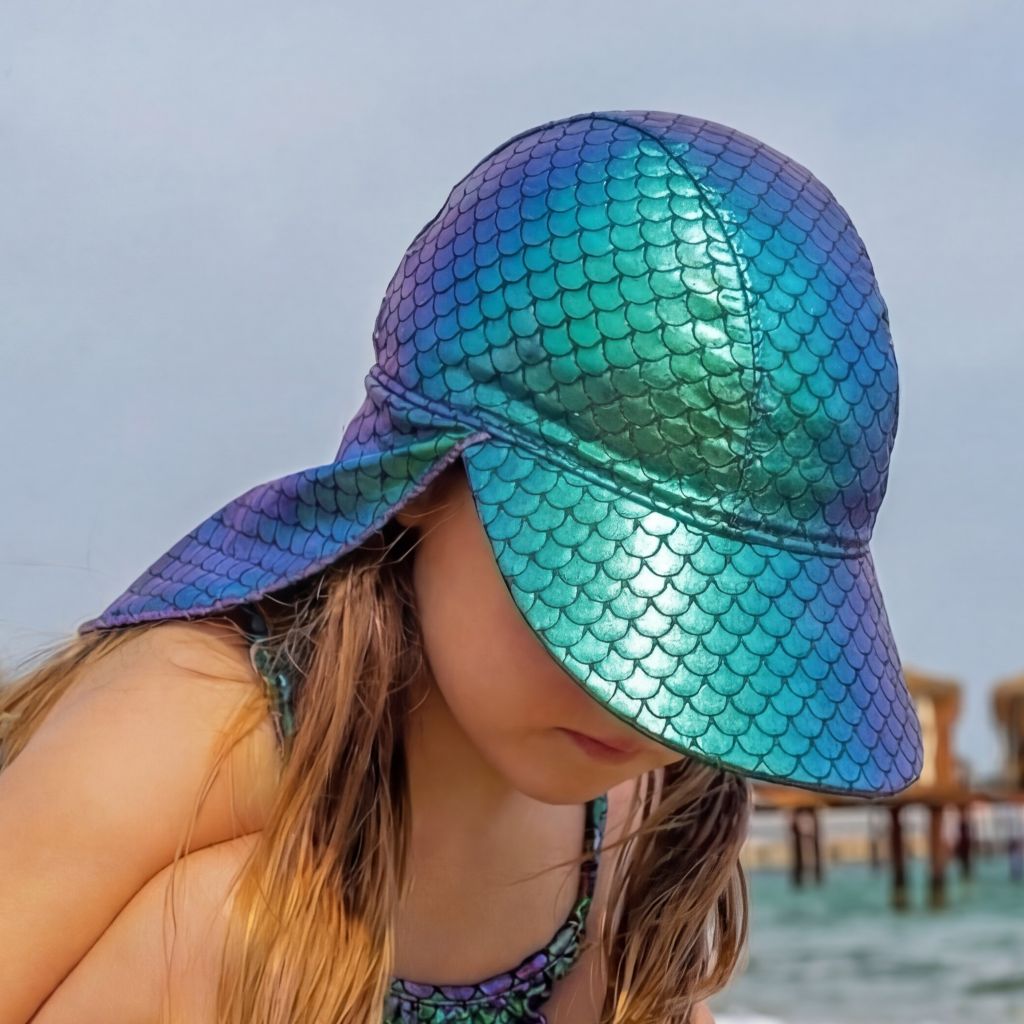
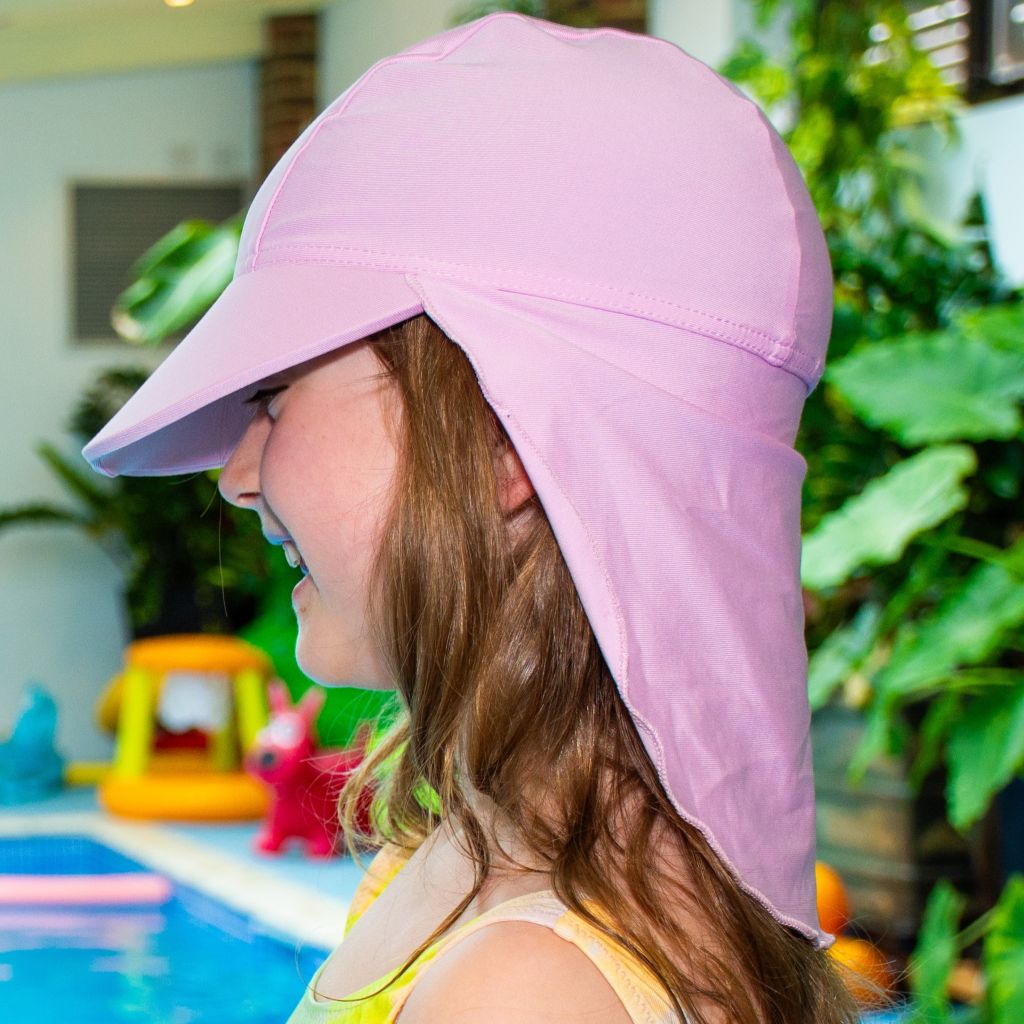
Hats and cover-ups A wide-brimmed hat protects the face, ears, and back of the neck, all areas that are easy to miss with sunscreen. UV-protective swim tops and rash vests are brilliant for active beach days. |
|
🕐 |
Shade from 11am–3pm The sun is at its strongest between 11am and 3pm, and UV rays can burn even through cloud. Build shade breaks into your day, this is also a natural time for drinks, snacks, and a rest. |
|
👣 |
Don't forget feet Sunburnt feet are more common than you'd think, especially on sandy beaches and around pools where feet are exposed all day. Slipfree's UPF 50+ fabric provides sun protection for feet, plus protection from scorching sand, hot car park tarmac, and sharp pebbles. |
Staying hydrated
Dehydration sneaks up quickly, especially when children are active and excited. By the time children say they're thirsty, they're already mildly dehydrated. Build in regular water breaks throughout the day, and don't rely on thirst as your signal.
-
Bring more water than you think you'll need, heat, activity, and salty sea air all increase fluid needs
-
Water-rich snacks help: melon, cucumber, strawberries, and frozen fruit lollies all contribute to hydration
-
Avoid sugary or fizzy drinks in the heat, they don't hydrate effectively and can cause energy crashes
-
Signs of dehydration to watch for: unusual tiredness, headache, irritability, dry lips, and dark or infrequent urination
-
Signs of overheating: flushed or hot skin, rapid breathing, dizziness, or confusion. If these appear, move to shade immediately, cool with water, and seek help if needed
|
💚 Slipfree tip: Slipfree shoes, and swimwear, are made with Sun Safe UPF 50+ fabric, blocking over 98% of harmful UV rays. That means you're protected not just from slips and weever fish, but from sunburn throughout the whole day. |
|
Sun and heat safety NHS — sunscreen and sun safety — Official NHS guidance on sun protection NHS — heat exhaustion and heatstroke — Recognising and treating heat illness Cancer Research UK — sun safety for children — Protecting children's skin from UV |
Pool and splash park safety: Staying safe when excitement levels rise
Pools, splash parks, lidos, and water parks are brilliant, and they come with their own set of hazards that are easy to underestimate. The surfaces are designed to drain constantly, which means they're wet, smooth, and fast underfoot pretty much all day. Slipping on a wet pool tile is genuinely common, genuinely painful, and genuinely preventable.

|
🚫🏃 |
No running on wet surfaces, explain why, not just 'no' Children are far more likely to take a rule seriously if they understand it. 'Running on wet tiles is slippery and you can fall and hurt your head' lands better than 'stop running'. Slipfree's grip reduces the slip risk significantly, but the rule still stands. |
|
👀 |
Constant supervision for under 8s Younger children should always be within arm's reach near water. At busy splash parks and pools, it's easy to lose sight of a small child quickly. Always agree a meeting point before you arrive. |
|
👟 |
Footwear from car park to water Hot car park tarmac in summer can burn bare feet in seconds. A quick sprint across the car park is a very common cause of burnt soles. Slipfree shoes solve this, they go on at the car and come off after your swim. Our heat resistent soles, quick dry fabric and the fact you can swim in them, make Slipfree the ideal shoe to dash, swim and play in. |
|
🦠 |
Verruca protection Public pool changing rooms and pool surrounds are prime environments for verruca transmission through direct skin contact. Slipfree creates a full barrier throughout the visit, changing room, poolside, and in the shallow pool areas. |
|
💚 Slipfree tip: Slipfree is the only thing we'd recommend wearing from the car park to the changing room to the pool and back, ultra-grippy on every wet surface, comfortable all day, and Oeko-Tex certified safe against skin, toxic free, sun safe and look great! Available for every member of the family, from baby to adult XXXL. |
|
Pool and water safety Royal Life Saving Society UK — water safety — UK water safety education and resources Royal Society for the Prevention of Accidents (RoSPA) — Leisure and water safety guidance Swim England — learn to swim — Find swimming lessons for your child |
In an emergency
Knowing who to call before you need to matters. Save these contacts in your phone before you head to the coast.
|
🚨 |
In the water: Call 999 and ask for the Coastguard If someone is in difficulty in the sea or at a coastal location, call 999 and ask for the Coastguard, not the police or fire service. They coordinate the RNLI and rescue helicopter response. |
|
🚑 |
Medical emergency: Call 999 for Ambulance For any serious medical emergency on the beach (suspected fracture, head injury, heat stroke, severe allergic reaction to a sting), call 999 for an ambulance. |
|
🏖️ |
At a lifeguarded beach: Go to the lifeguard hut RNLI lifeguards are first-aid trained for common beach emergencies, including weever fish stings, cuts, heat illness, and water incidents. They're your first port of call for any non-life-threatening situation. |
|
📱 |
What3Words app Download the What3Words app before you go. It can give your precise location in three words, invaluable if you need to direct emergency services to a specific point on a beach. |
|
Emergency and safety organisations RNLI — Beach safety, find a lifeguarded beach, Float to Live Royal Life Saving Society UK (RLSS) — Water safety training and resources Royal Society for the Prevention of Accidents (RoSPA) — Accident prevention guidance HM Coastguard — Maritime and coastal emergency coordination NHS — beach and sea creature first aid — First aid for weever fish and jellyfish stings What3Words — Pinpoint your exact location in an emergency |
One more thing: Don't forget the feet
So much beach and pool safety advice focuses on the water. But a significant number of family beach injuries happen on dry (or wet) land, burnt soles on hot sand, slips on pool tiles, cuts from rocks and shells, scrapes in the car park, or an unexpected encounter with a weever fish in the shallows.

Slipfree shoes are designed to remove that whole category of risk in one go. One pair of shoes, worn from the moment you get out of the car to the moment you get back in, covers:
-
Hot sand, pebbles, and scorching car park tarmac
-
Wet pool tiles, changing room floors, and lido surrounds
-
Weever fish hidden in sandy shallows and exposed sand
-
Slippery rocks, seaweed, and barnacles when rockpooling
-
Verruca protection in shared pool and changing facilities
-
Sun protection for feet, UPF 50+ fabric blocks over 98% of UV rays
-
Oeko-Tex Standard 100 certified fabric, tested and safe against skin
Available for the whole family, from baby and toddler (0–3) through to adult XXXL, with perfectly matching styles for kids and their grown-ups in certain styles! Soft, flexible, ultra-grippy, and ready for whatever the day brings.
|
Shop the Slipfree range: Free delivery on orders over £40 · slipfree.co.uk |